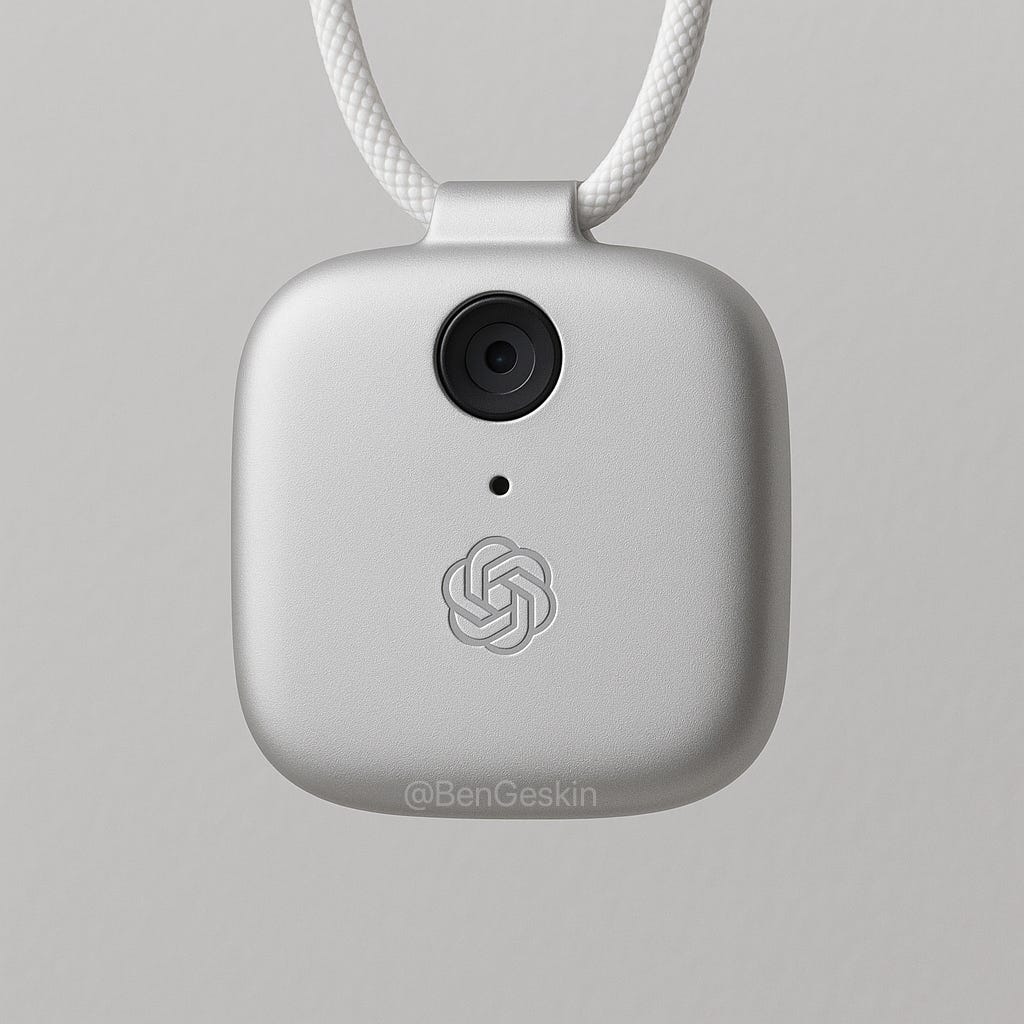
The most useful thing an AI agent can do is not talk. It is act: navigate software, understand interfaces, manage authenticated sessions, complete forms, communicate, move files, and coordinate work across services.
That is why I think a separate, screenless AI companion is the wrong center of gravity. It recreates the limitations of the old ambient-assistant model: an intelligent interface sitting outside the place where a person's digital life actually happens.
The agent belongs inside the computer.
Authentication is the architectural problem
Ask an agent to find and book a flight under a budget. To finish the job, it needs access to airline or travel sites, email, a calendar, payment credentials, identity details, and often multi-factor authentication.
A standalone companion has to solve all of that from the outside. Does every service get authenticated through companion software? Are sessions proxied through a third party? Does every provider need a bespoke integration?
Meanwhile, the phone already holds the answer: browser sessions, passkeys, biometrics, payment methods, applications, notifications, contacts, files, cameras, location, and connectivity. The user is already authenticated locally. An agent should be able to work within that trusted environment, while the operating system protects sensitive steps with deliberate permissions and biometric confirmation.
Start with Linux and the web
Building a mobile OS from scratch would be unnecessary. A practical path could start with an existing Linux mobile stack, then treat the browser and web runtime as first-class application platforms:
Linux
    ↓
Mobile hardware and telephony
    ↓
Secure browser and web/PWA runtime
    ↓
Agent runtime
    ↓
User applications and services
The web offers an unusually strong starting point. Installable web applications can cover a remarkable amount of daily computing without requiring a massive native application ecosystem on day one:
expedia.com  → Expedia
spotify.com  → Spotify
github.com   → GitHub
reddit.com   → Reddit
The operating system can then expose carefully designed capabilities to the agent:
browser.navigate()
browser.inspectDOM()
browser.click()
browser.fill()

device.camera()
device.location()

files.search()
files.open()

identity.requestAuthentication()
payments.requestAuthorization()
This is not an argument for unrestricted access. It is an argument for the right security boundary. The agent should not need my password when I am already authenticated on-device; it should ask the OS for approval when a payment, credential, or sensitive action is involved.
A display is not the enemy
AI should remove unnecessary interaction with screens, not remove screens altogether.
Voice can be a great interface when I know what I want. But authentication, confirmation, navigation, video, code, charts, documents, and many other tasks are inherently visual. A display gives the person a way to inspect what matters while the agent handles the tedious parts.
The better ambition is not another smartphone with an assistant bolted on. It is the first personal computer whose primary interface is an agent—one that can use the computer's secure, authenticated, visual environment to actually get work done.
That is a more compelling direction than a puck that still depends on a phone or cloud integrations to complete the important parts of a task.